Category: collective-healing

UNESCO, through its Routes of Enslaved Peoples programme, has been working with the Guerrand-Hermès Foundation for Peace since 2018 to develop a methodology for facilitating collective healing. Based on a desk review mapping impactful practices in the field, intergenerational dialogue workshops were co-created and led by impacted communities across four continents (Africa, Europe,
North America and South America) in 2023-24. These sessions proved to be deeply transformative, uplifting impacted communities in recovering historic resources and wisdom that have sustained them throughout hardship, and enabling them to reflect on possible solutions towards systemic change.

  • Hijas de la Paz Project in Amanecer, Colombia

    Hijas de la Paz Project in Amanecer, Colombia


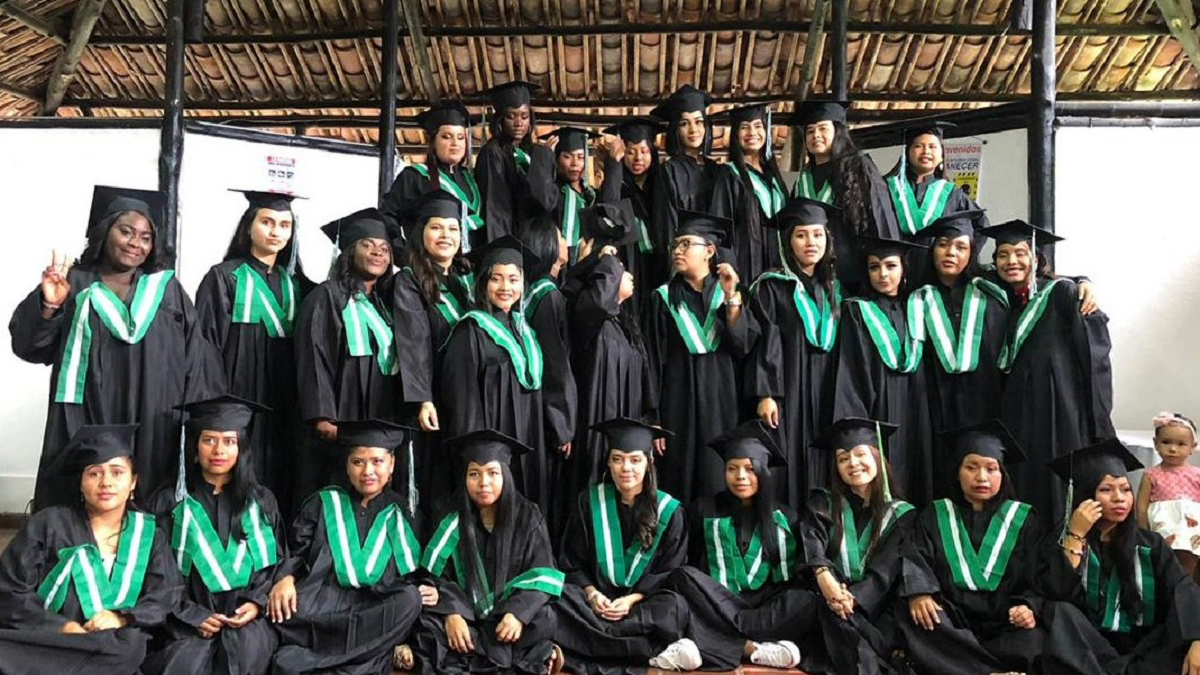
    Daughters of Peace in Colombia or the Hijas de la Paz Project that has provided psychosocial processes of healing, training in vocational skills, peace circles, and human-centred education. The nurturing has enabled vulnerable young women to experience their intrinsic value as persons. From a place of deep quiet, they learned to become future leaders and peacemakers.

    On Sunday the 15th August, the Project Hijas de la Paz was inaugurated in Amanecer, Colombia, with a ceremony that included the local Mayor and other local dignitaries and the chairperson of Subud Colombia.

    HIjaz de la Paz

    45 young women took part in a four-month residential programme, most of who are from indigenous and Afro-communities who are living in terrible conditions of poverty and violence. 11 children who came with the young women joined Amanecer Kindergarten and received International Child Development Project (ICDP) support.

    The entire community was involved and provided 900 hours of training and formation. There were 16 tutors on the Programme (academic, personal, entrepreneurial, cooking, gardening), and 10 of them are residents of Amanecer. Subud members acted as ‘helpers’ to the participants, supporting them in processing and addressing the deep traumas.

    The Hijas de la Paz Project has enabled these vulnerable young women to feel their intrinsic value as persons, and from a place of deep quiet, they learned and worked harmoniously with a community of mentors. This is how they can be nurtured into future leaders and peacemakers.

    HIjaz de la Paz
  • Addressing the legacy of Trans-Atlantic Slavery. Approaches and Practices.

    Addressing the legacy of Trans-Atlantic Slavery. Approaches and Practices.

    Presentation launch and webinar on the legacy of slavery, trans-generational trauma and collective healing, May 2021

    At this exciting international event, the UNESCO Slave Route Project and the Guerrand-Hermès Foundation for Peace Research Institute (GHFP) will bring together high-profile speakers and artists to launch “Healing the Wounds of Trans-Atlantic Slavery: Approaches and Practices: A Desk Review.”

    This timely Report draws together the perspectives of researchers and practitioners, to map major approaches and practices to addressing the legacy of the trans-Atlantic slave trade and slavery. It is the fruit of collaboration between an international team of researchers and practitioners, under the guidance of the UNESCO Slave Route Project and the GHFP Research Institute. The Report highlights the imperative to embark on a collective journey towards healing transgenerational trauma and the importance of systemic transformation.

    Formally launching and disseminating this Report is an active response to UNESCO’s Global Call against racism. It will inspire the world to learn from the histories of slavery, acknowledge the harms of structural injustice and institutional racism, and promote inclusion, pluralism and intercultural dialogue.

    unesco with ghfp launch collective-healing 2021

    Ms Gabriela Ramos, UNESCO Assistant Director-General for Social and Human Sciences, and Mr Sharif Istvan Horthy, Chairman of the GHFP Research Institute, will take advantage of this presentation to announce a broader collaborative project entitled “Educational Transformation and Collective Healing: Addressing the Traumas and Legacy of Slavery”. This ambitious initiative will nurture youth leadership capacities so that young people can implement a racial healing programme for building just communities and initiate policy changes to address structural dehumanisation.

    panel for unesco launch of collective-healing initiative on the 26th may 2021

    Following the official presentation, an international panel of historians of slavery, scholars in race studies, and experts in racial healing — Paul Lovejoy, Myriam Cottias, Achille Mbembe, Walter Mignolo and Joy DeGruy — will discuss the key insights of the Report, including the psycho-social legacy of slave trade and slavery. They will also explore practical steps along the pathways that the UNESCO Slave Route Project and the GHFP partnership can take to empower and engage global communities and public institutions in collective healing.

    unesco launch of collective-healing marcus-miller ray-lema 26th-May-2021

    The launch will conclude with an inspiring dialogue between two living legends — Marcus Miller, UNESCO Slave Route Project Spokesperson and African-American musician and composer, and Ray Lema, the Congolese musician and composer — about the power of music for healing and cultural transformation.


  • Trustbuilding and Collective-Healing

    Trustbuilding and Collective-Healing

    International Seminar on trust-building and Collective Healing, 30th October 2019, London

    Hosted by Initiatives of Change trust-building Programme in partnership with the GHFP Research Institute, this international seminar offered a unique opportunity to meet, share and discuss the process of building trust.

    At a time of increasing fragmentation, trust is diminishing around the world. Communities face racial, ethnic and religious divides, intergenerational conflict, and the rise of extremist attitudes, as well as social divisions and the legacy of war. The Seminar poses a critical question: “How can we address these challenges?”

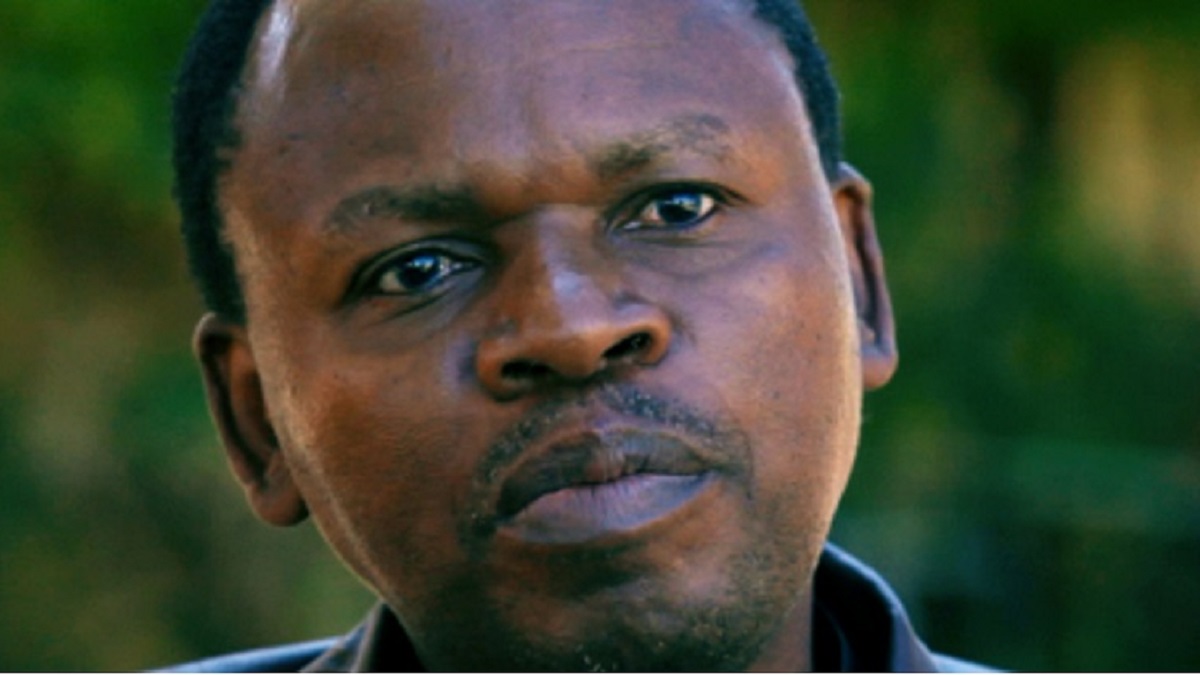
    Among the discussants was Letlapa Mphahlele, commander of the Azanian People’s Liberation Army during apartheid times. His anger was such that he ordered retaliatory massacres of white civilians. After a radical transformation he now sees the whole of humanity as ‘my people’. Letlapa, who, until 2013, was President of the Pan Africanist Congress and a Member of the South African Parliament, is a protagonist in the award-winning film, Beyond Forgiving, which depicts a profound story of tragedy, forgiveness and hope.

    IofC Trustbuilding Program —>

  • Peace in Communities

    Peace in Communities

    International Symposium: Collective Healing of Traumas: New Possibilities for Peace in Communities. 24th Sept 2019

    Collective and community initiatives can empower those suffering from the wounds of a violent past to collaborate towards mutual healing, thus creating new possibilities for peace.

    To better understand the significance of these community-rooted collective healing endeavours, the GHFP and the UNESCO Slave Route Project hosted a one-day International Symposium, at the Royal Society for the Arts in London.

    The event brought together practitioners and scholars who have experiences and expertise in the field of communal and collective healing of mass traumas, for an intimate dialogue focused around three core questions:

    1. What are the typical psychological and social symptoms encountered in communities resulting from the experience and legacies of past atrocities?
    2. What might constitute collective healing in these situations?
    3. How do community-based processes and practices contribute to collective healing? (And how would the community evaluate collective healing? What are the relevant indicators that some healing has taken place?)

    Presentations included Australia’s journey of healing through the Sorry Day marches, the Healing the Wounds of History programme in Lebanon, Foresee Research Group’s restorative healing approaches in Hungary, critical reflection on the structural conditions of healing from the perspectives of South Africa’s Truth and Reconciliation, the Initiatives of Change International ‘Trustbuilding in the Communities programme.